
LESERU SWAMP
EXECUTIVE SUMMARY
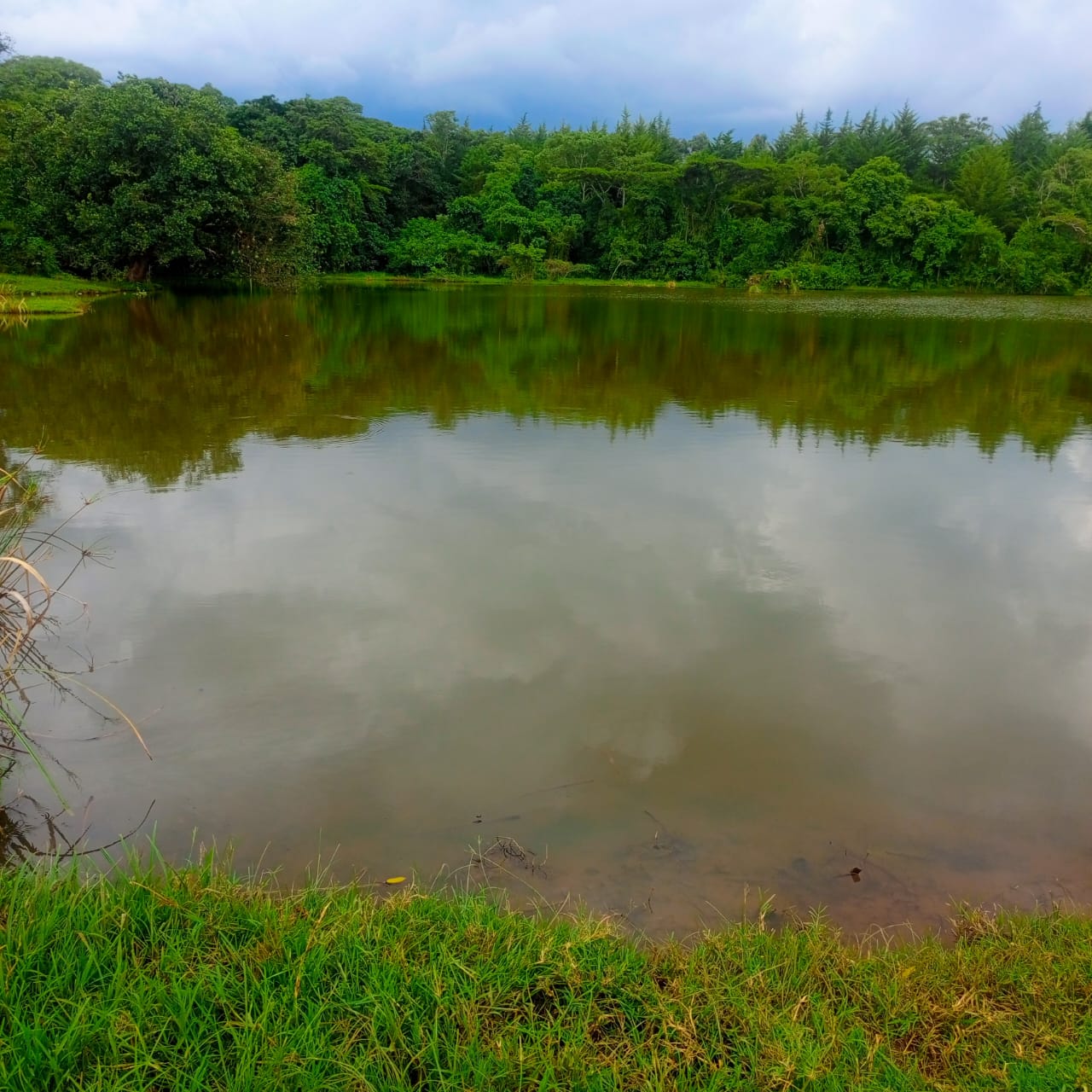
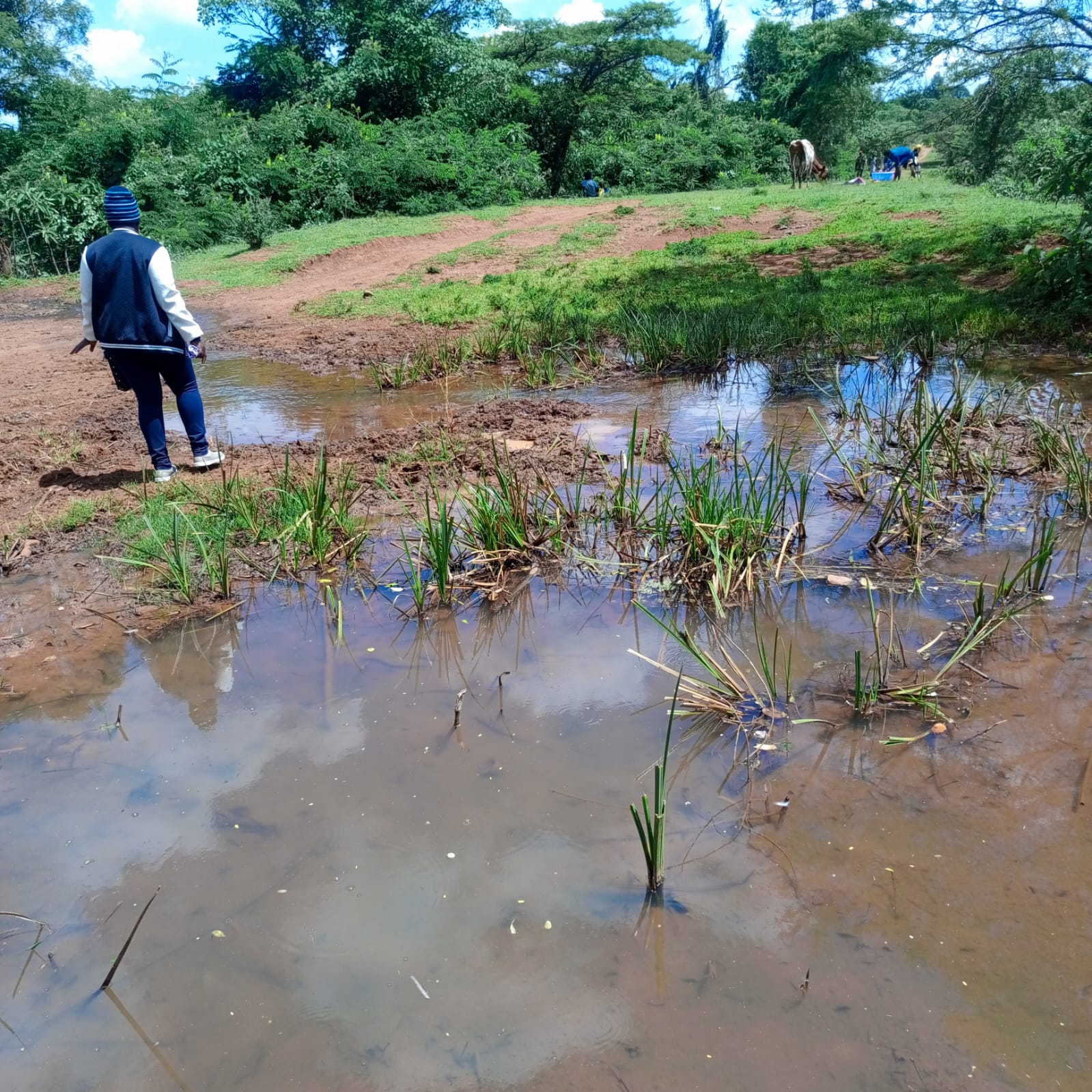
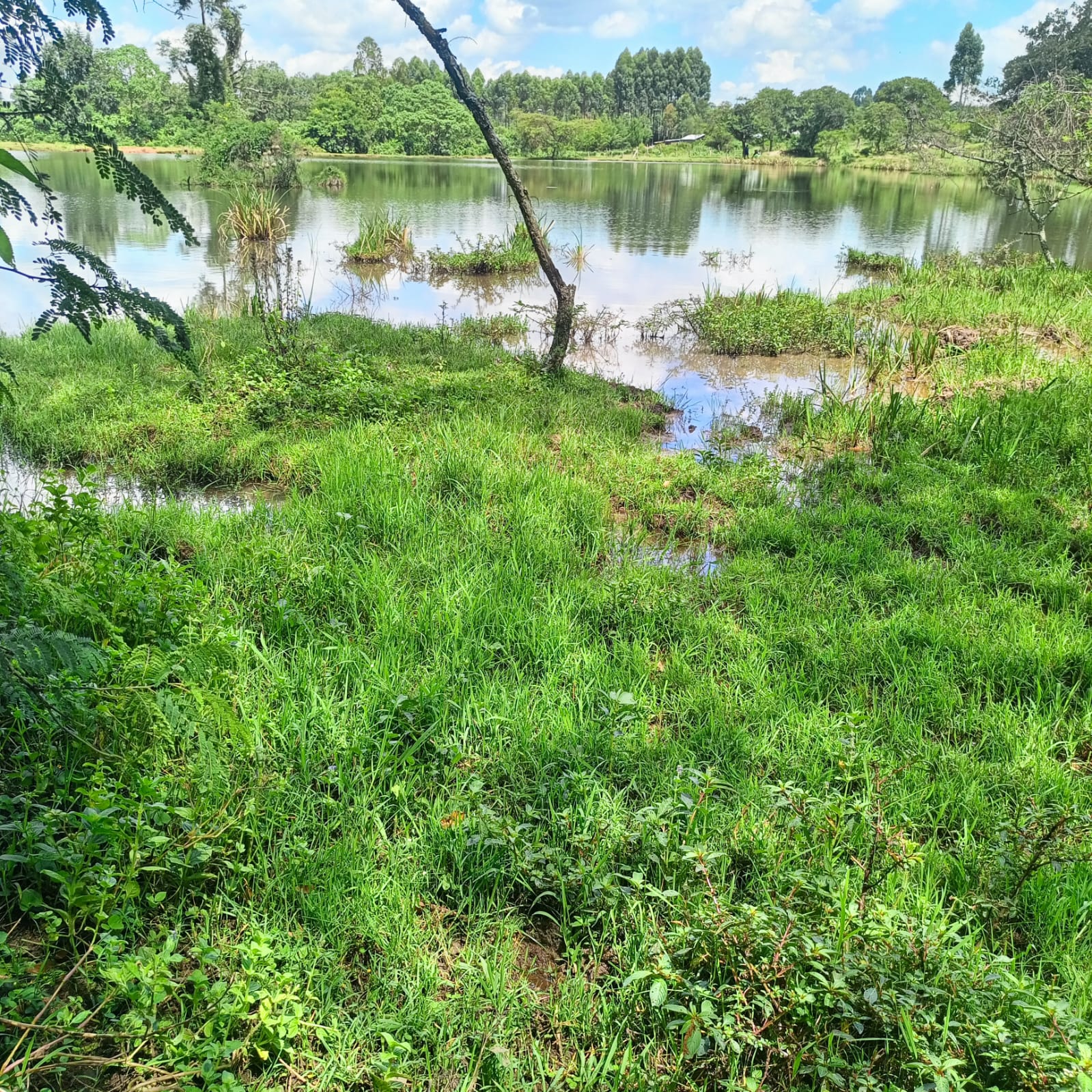
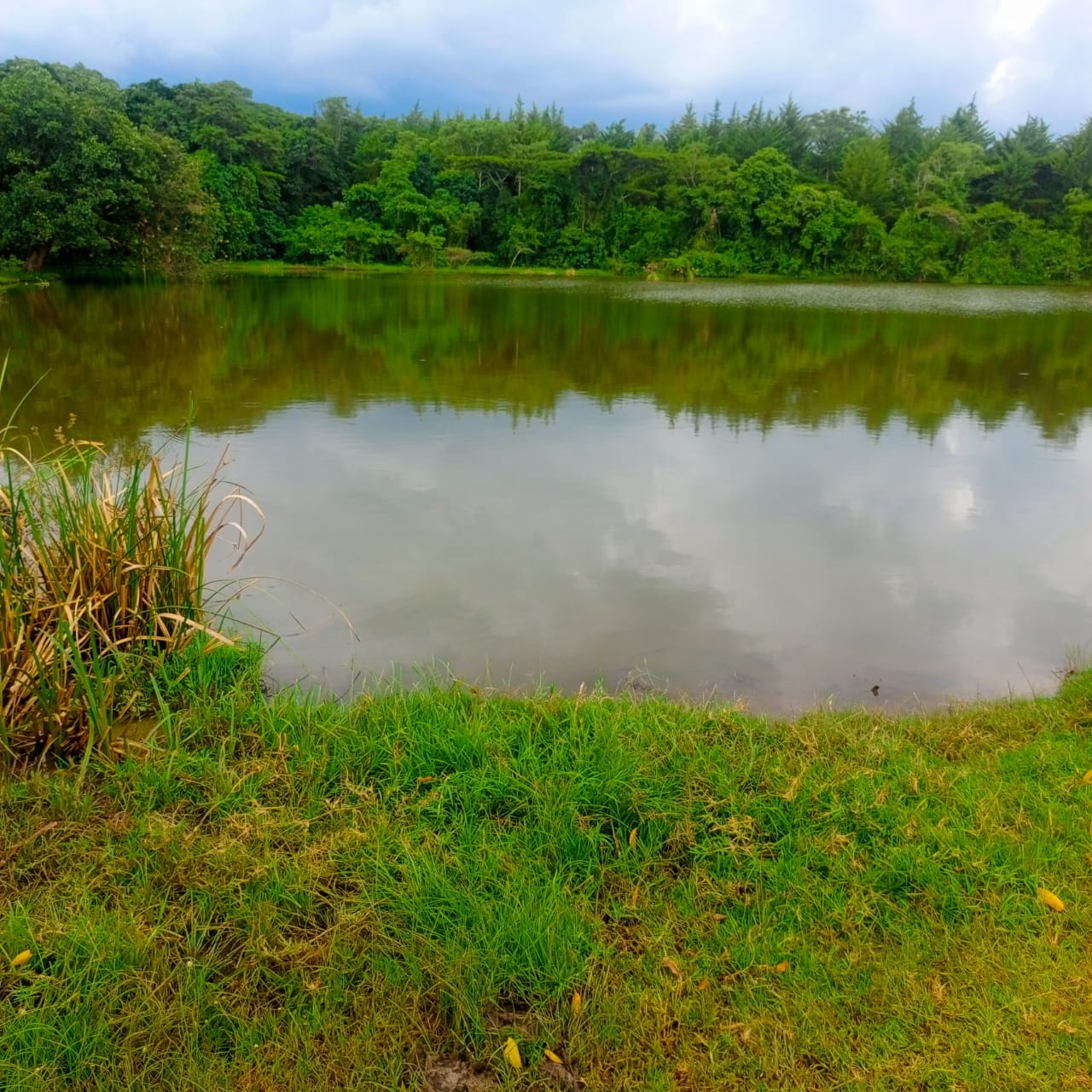
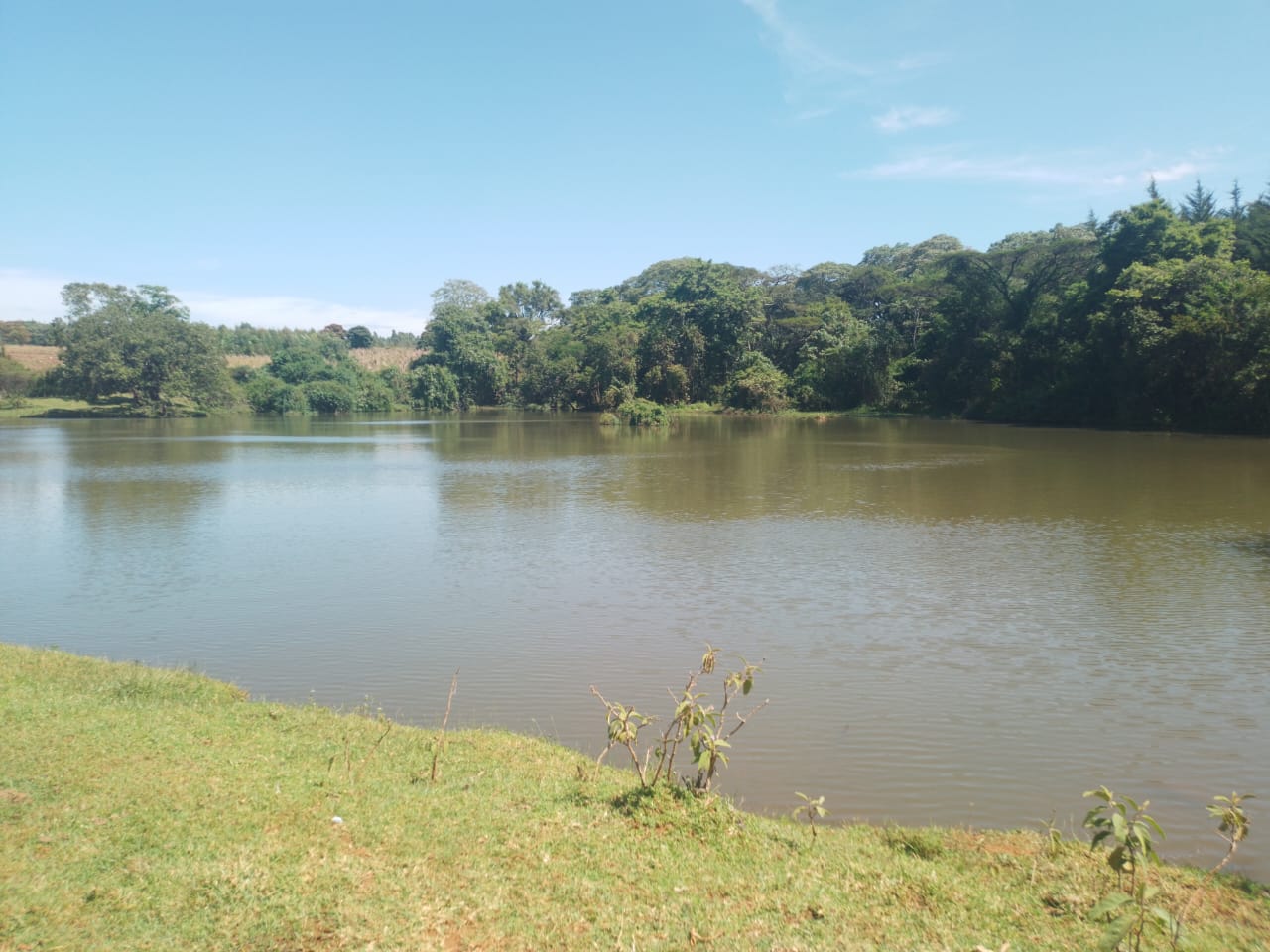
Leseru Swamp is a significant wetland located in Uasin Gishu County, Kenya. It is known for its rich biodiversity and ecological importance. Here are some key points about Leseru Swamp:
Biodiversity: Leseru Swamp hosts a diverse range of plant species, with 176 different species recorded, making it one of the most species-rich wetlands in the region. The dominant plant families include Poaceae and Asteraceae.
Ecological Functions: The swamp plays a crucial role in water purification, flood control, and providing habitat for various wildlife species.
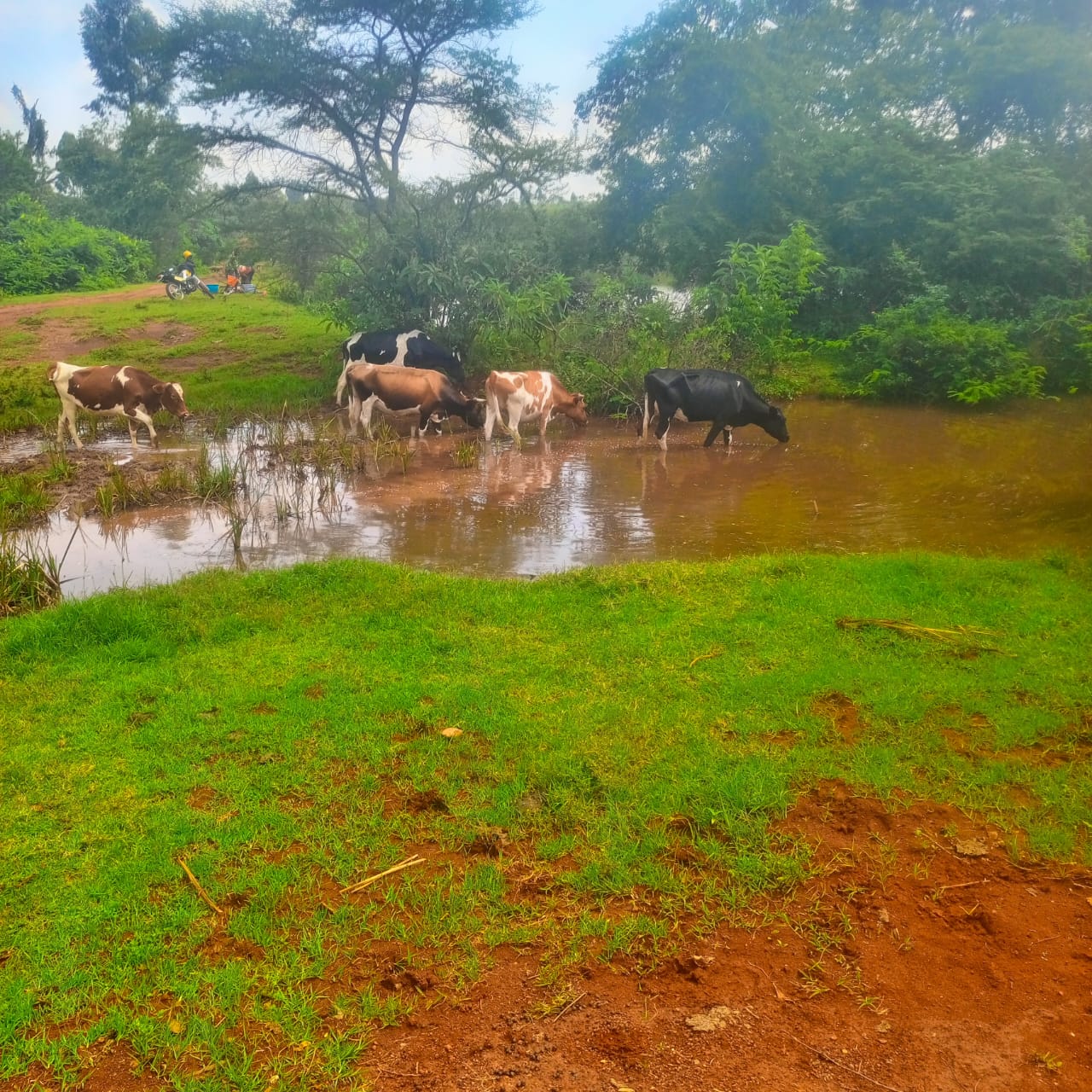
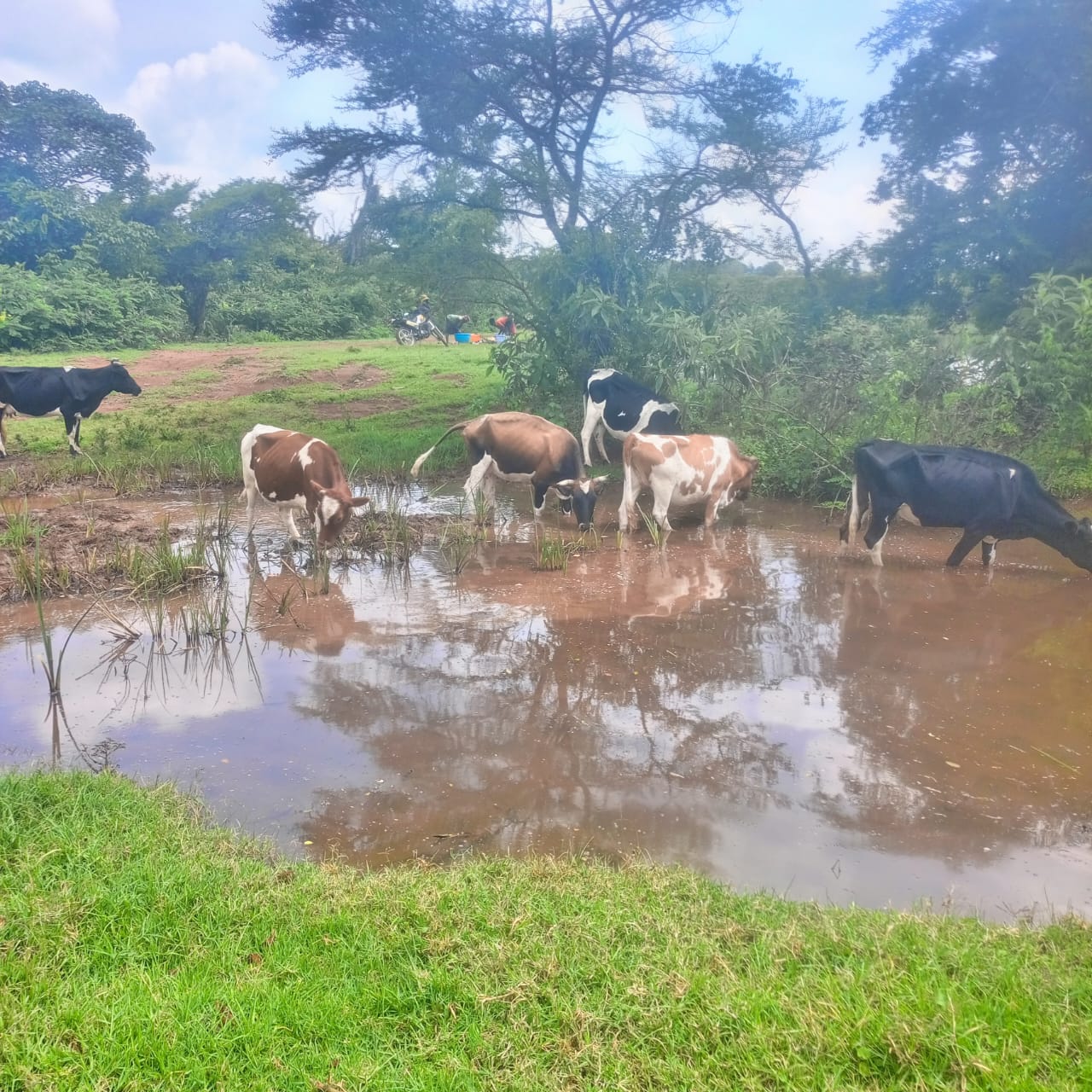
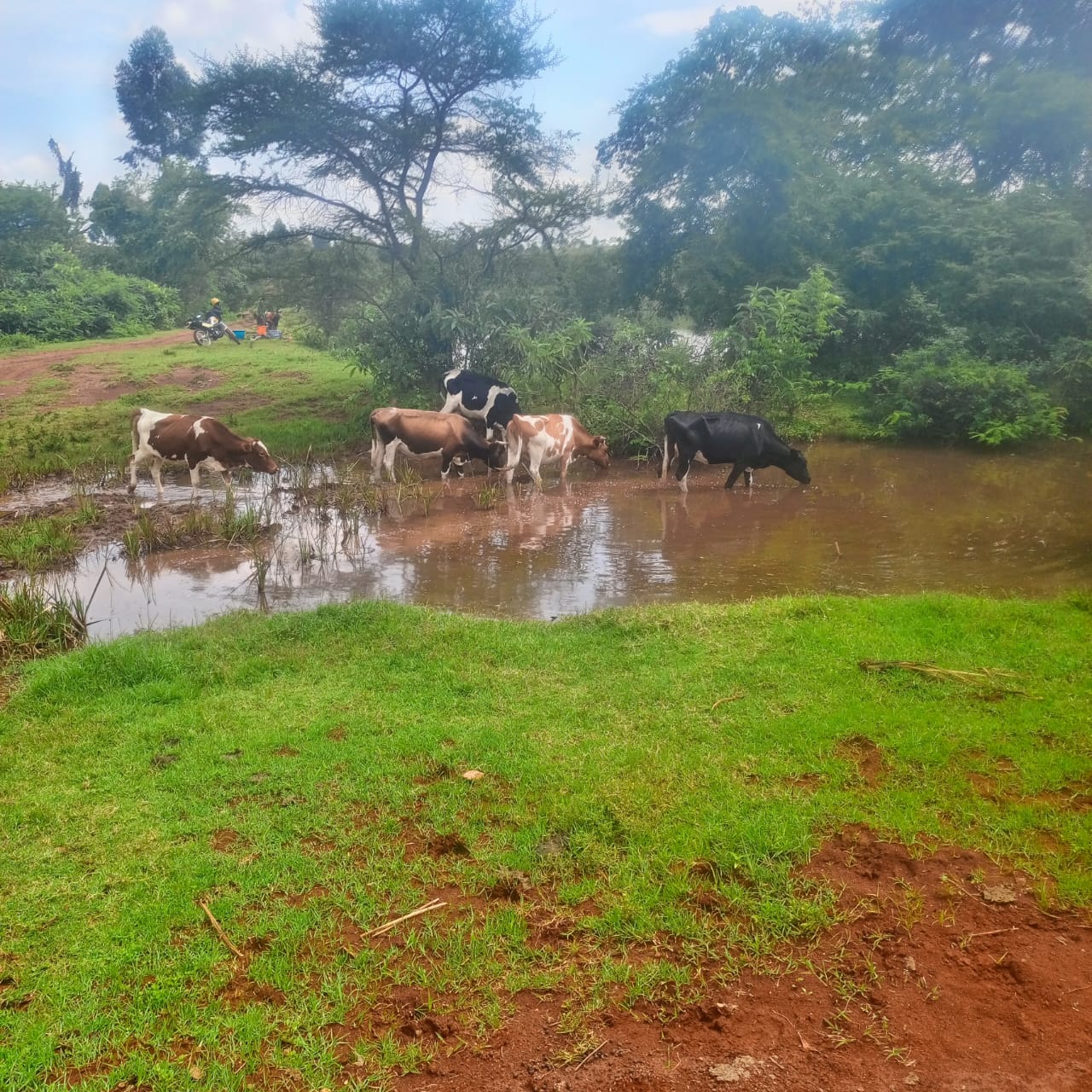
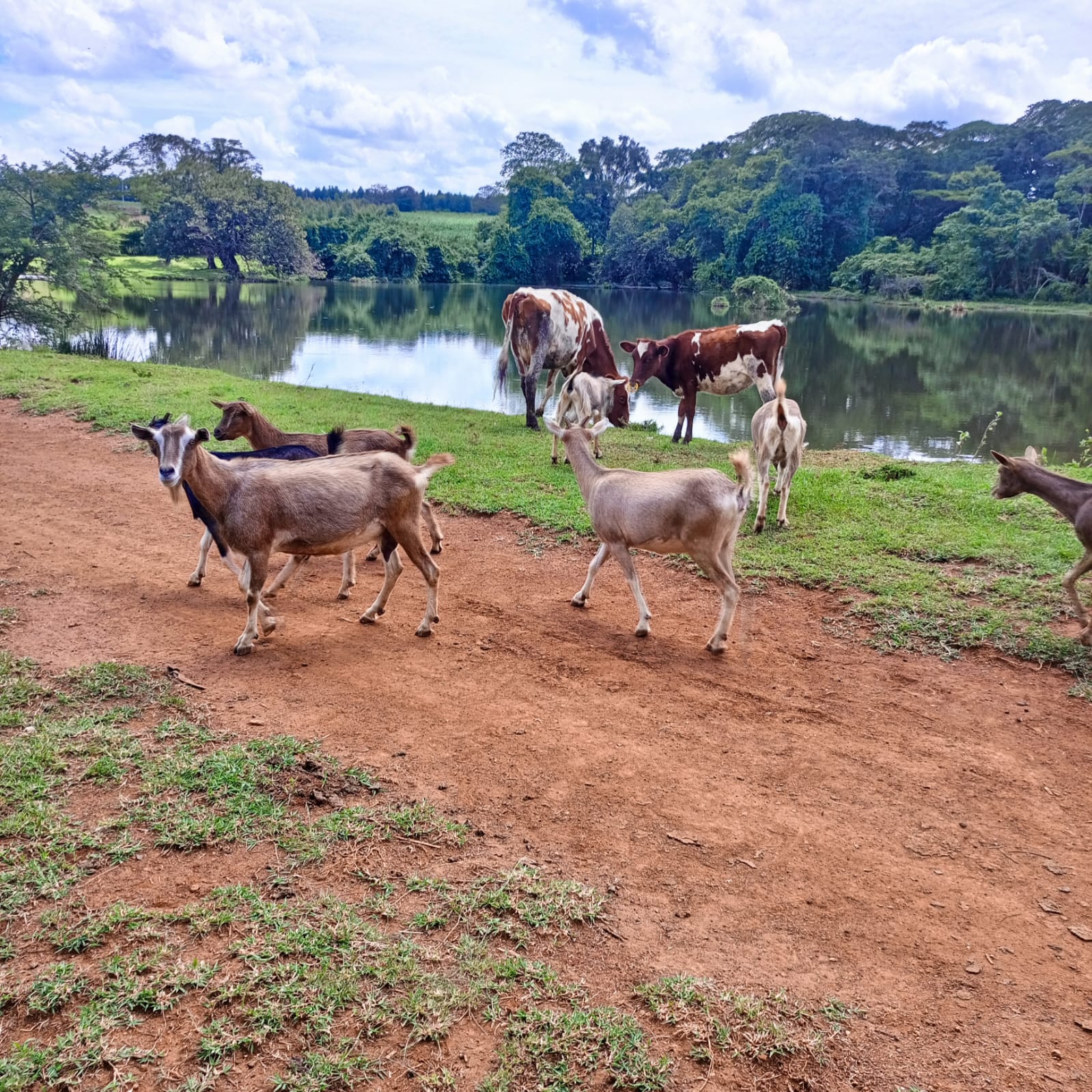
Human Impact: Like many wetlands, Leseru Swamp faces threats from human activities such as agriculture, urbanization, and pollution. These activities have led to habitat degradation and loss of biodiversity.
IMPORTANCE OF CONSERVING LESERU SWAMP
- Biodiversity: Leseru Swamp is home to a wide variety of plant and animal species. Protecting this habitat helps preserve the biodiversity that is vital for ecological balance and resilience.
- Water Purification: Wetlands like Leseru Swamp act as natural filters, removing pollutants from water. This process improves water quality for surrounding communities and ecosystems.
- Flood Control: The swamp helps to absorb excess rainwater, reducing the risk of floods in nearby areas. This natural flood management is essential for protecting local infrastructure and agriculture.
- Climate Regulation: Wetlands store carbon, helping to mitigate the effects of climate change. By conserving Leseru Swamp, we contribute to global efforts to reduce greenhouse gas emissions.
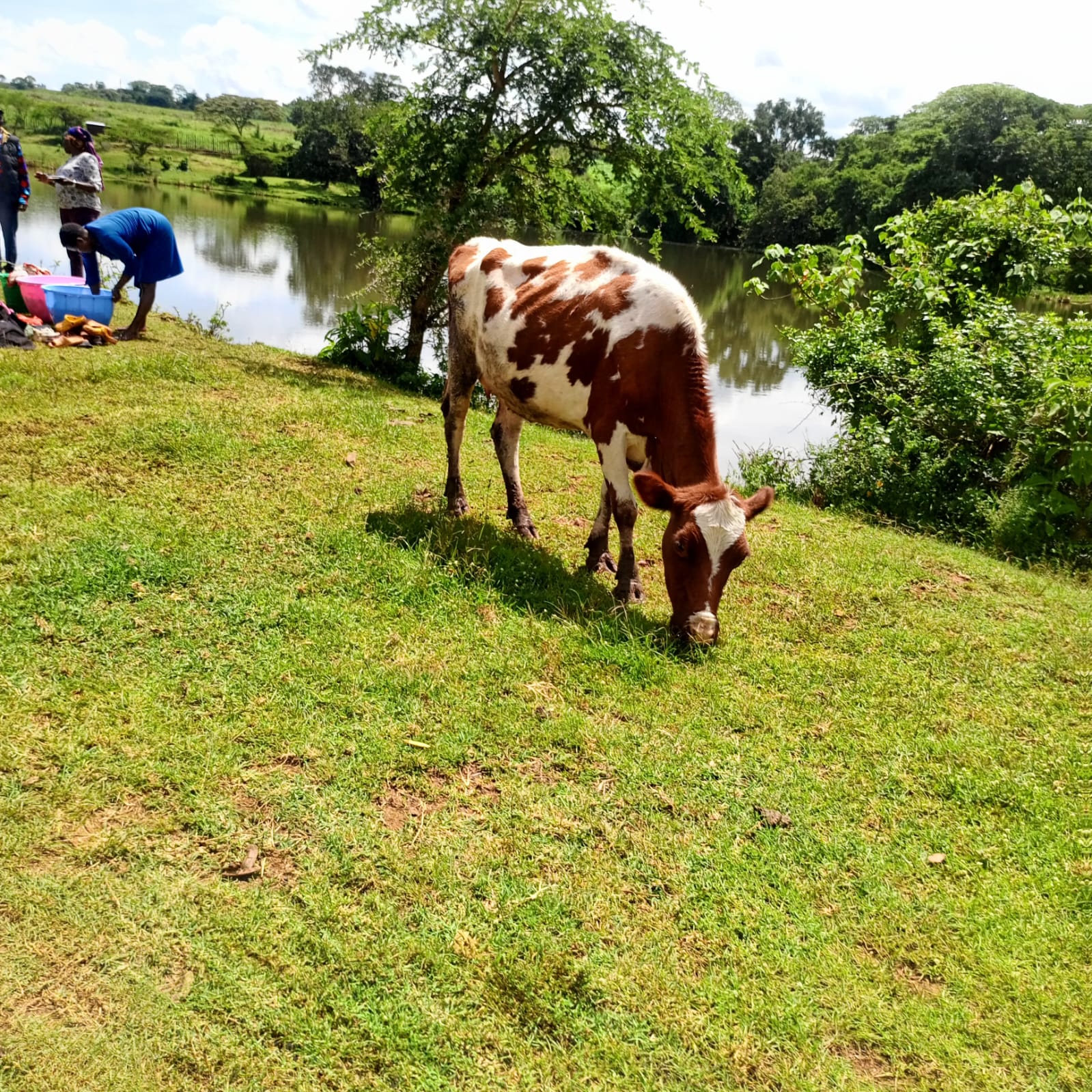
- Economic Benefits: Healthy wetlands support activities such as fishing, agriculture, and tourism. These activities can provide sustainable livelihoods for local communities.
- Cultural Significance: Leseru Swamp may hold cultural and historical importance for local communities. Conserving it helps preserve these cultural values and traditions.




No comment